March 5, 2026|ט"ז אדר ה' אלפים תשפ"ו Rising Smoke, Falling Rockets
Print Article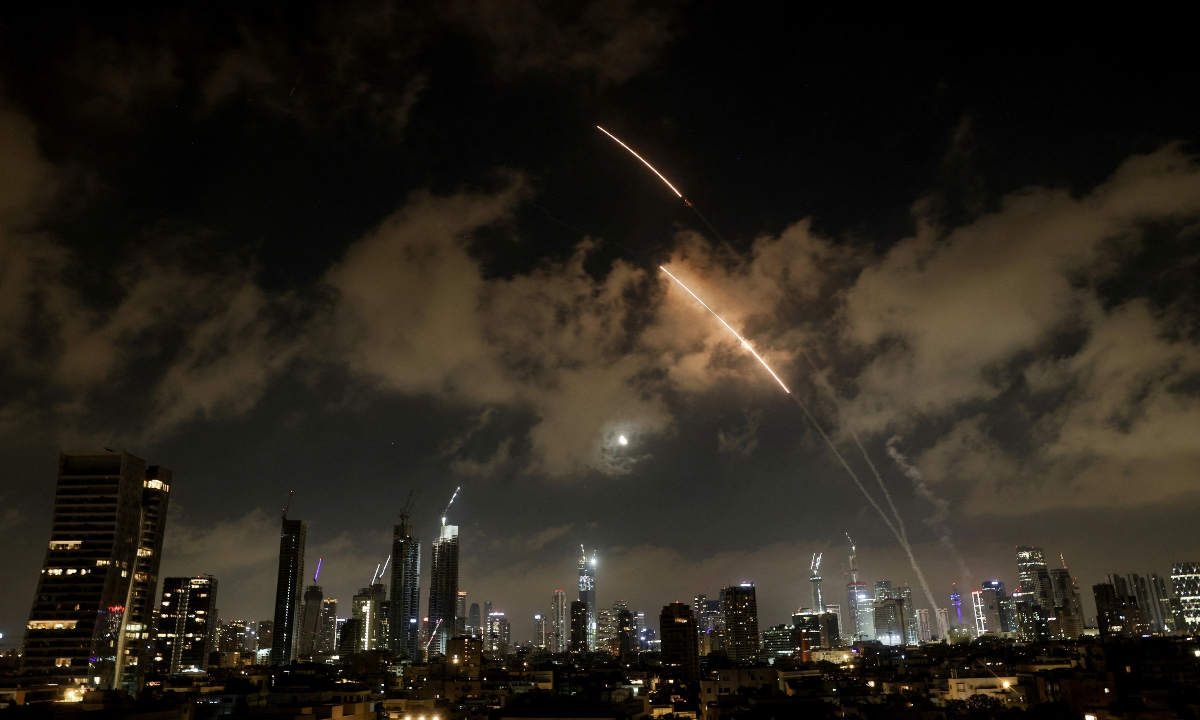
When sirens pierce the sky in Israel and families have seconds to run to bomb shelters, when Jews in Yerushalayim, Tel Aviv, and Ashkelon gather their children and whisper Tehillim in reinforced rooms, when soldiers stand at the borders and the Jewish people keep refreshing the news, desperate for updates, the parsha feels less like ancient history and more like a modern survival guide.
The Torah tells us that Hashem instructed Moshe to take the spices for the ketores. There were eleven spices in the sacred incense offered each day in the Mishkan. Ten of them were sweet. One, the chelbona, had a foul odor. On its own it was unbearable, yet it was not excluded. It was not optional. It was essential. Rashi, quoting the Gemara in Kerisus, teaches that the Torah deliberately included the foul smelling chelbona to teach us that we must include the poshei Yisrael, even those who have strayed, when we gather for prayer and fasting. We do not merely tolerate them. We include them because we need them.
Before Kol Nidrei, on the holiest night of the year, we proclaim אנו מתירין להתפלל עם העברינים. We sanction praying with the transgressors. This is not a modern innovation but a deeply rooted practice in our mesorah. A Jew is a Jew. His or her choices may not smell the way we would like, but without them we are incomplete. And perhaps we should ask ourselves who is to say which of us is the chelbona. Maybe we are the ones whose odor needs blending. Maybe we are the ones who are only tolerable because we are surrounded by others whose fragrance lifts us.
Right now, when rockets do not distinguish between the observant and the secular, between right and left, between those who keep Shabbos and those who do not, the message of the ketores is no longer theoretical. In a bomb shelter there is no chelbona and no sweet spice. There are only Jews. A soldier who has not put on tefillin in a long time says Shema next to a yeshiva student who has never held a rifle. And suddenly the aroma is whole.
Dovid HaMelech pleads in Tehillim that his prayer be like ketores before Hashem. Why like ketores and not like a korban. Because korbanos could be brought individually, but ketores was always communal. Eleven distinct ingredients were ground together until you could no longer tell which was which. The ketores had a unique property. Its smoke rose straight upward, unaffected by the wind. Chazal teach there was an ingredient called maaleh ashan that caused the smoke to ascend directly to Heaven. Perhaps the deeper reason its smoke rose so purely is that it contained every type of Jew. When all of Hashem’s children are present, when none are excluded from the blend, nothing can block the ascent of that tefillah.
Alone perhaps we carry an unpleasant scent. Together we create a fragrance. The Mishnah in Sanhedrin teaches that all Israel has a share in the World to Come and supports it with the pasuk in Yeshayahu that says, Ameich kulam tzadikim Your people are all righteous. Are we all righteous? Individually perhaps not. But when we attach ourselves to the totality of the Jewish people, when we see ourselves as part of something larger than ourselves, then together we are righteous. Together we are the ketores.
Today across Israel and across the world Jews are davening. Some in shuls, some in living rooms, some in bomb shelters, some on army bases, some with siddurim, some with tears, some with faith they did not even know they had. The Ribbono Shel Olam does not sort us by scent. A parent looks down and sees children huddled together. Nothing gives a parent more joy than seeing all their children standing as one loyal family, bringing out the best in one another and compensating for one another’s shortcomings.
Perhaps that is the avodah of this moment. Not to decide who is the chelbona. Not to determine who smells sweeter. But to make sure every Jew is in the blend. Because when we stand together, whether in a sanctuary or in a shelter, the smoke rises straight to Heaven. And may that united tefillah protect our soldiers, comfort our mourners, heal our wounded, bring our hostages home, and usher in days of peace and redemption for all of Klal Yisrael.